
With the phonograph disassembled into a pile of parts one can begin to clean and lubricate the mechanism. For cleaning I use a toothbrush. You're not looking for it to sparkle like chrome. You just want to remove debris and hardened grease. This will all brush away easily. Any crud that resists this will require solvents. Lets try to avoid that. We're not just removing old oil to make it pretty. Gummy dried oil and grease hold grit and dust and this will wear down the gears and add friction.
If you decide to outsource I recommend
APSCO. The manual says to use Victor motor grease. Since that no longer exists I'll go with something comparable, and 3:1 oil on the more delicate parts.
The basic parts are as follows:1. Spring Barrel2. Governor3. Drive Gears4. Base plate5. Speed Control shaft6. Turntable1. SPRING BARRELWe are tentatively assuming the Spring is not broken which I have proven by process of elimination. This means that barrel can stay sealed.
2. GOVERNORThe Governor needs oiled at each bearing and the Friction Sleeve in the middle of the shaft as well.
3. DRIVE GEARSwipe away old grease and freshly lubricate the spiral of spindle and the teeth of all gears. This is a 85 year old phonograph, it's been lubed before. You can see where it needs to go.
4. BASE PLATEJust wipe clean.
5. TURNTABLEIn this case we have a little rust so I've buffed it off with steel wool and the rubbed in a thin coat of oil. After that all I can do it hope that it doesn't spread.
OTHER PROBLEMS: I realize now that I'm also missing the escutcheon. This is not something I can fake. I'll need to buy a replacement. There also is deep cracking in the
potmetal case of the reproducer, and strangely there are 2 needles and one dead bug inside the reproducer. Those probably made it in through the tone arm as well. I may have to farm out the more delicate work of repairing the reproducer.

I gave it a couple cranks and it seems to to test it. It seems to wind up and hold tension but it slows down quickly, finishing one side of one 78. This is probably average behavior for a single spring model. But it's equally likely that the 80 year old spring has metal fatigue and will ultimately need replaced. However, with out the escutcheon it's not safe to keep winding it up. Without an escutcheon the cranking motion will wobble outward and can damage the gearing, strip the threads and otherwise destroy the motor. I've emailed
George at Great Lakes Antique Phonograph. So short of a complete rebuild.. I'm done.

 So in attempting to clear out two stray needles and a dessicated dead bug I broke the cap to the reproducer. It was not a shining moment.Thankfully George at GREAT LAKES ANTIQUE PHONOGRAPH had not only a escutcheon but also a brass reproducer to replace the now pulverized one made of pot-metal.
 In examining the escutcheon I saw that while it's internal diameter was exactly right, it's external diameter left a sizable gap between it and the chassis. This is not ideal as it puts all the cranking stress on the two screws which as you know are screwed into a 70-year-old box. That seemed unwise knowing that it may be dry and brittle and prone to more crumbling. I wrapped the internal portion of the cylinder in amalgam tape to fill out the gap until it was flush to spread out the force.
 The reproducer is connected by a single pin to the tone arm making replacement simple by design. The cap is attached by 4 teeny tiny screws, and the diaphragm by wax and the body insulators by 2 headless set screws but thankfully all that can stay put. I chose to replace the whole reproducer to avoid all that pain.
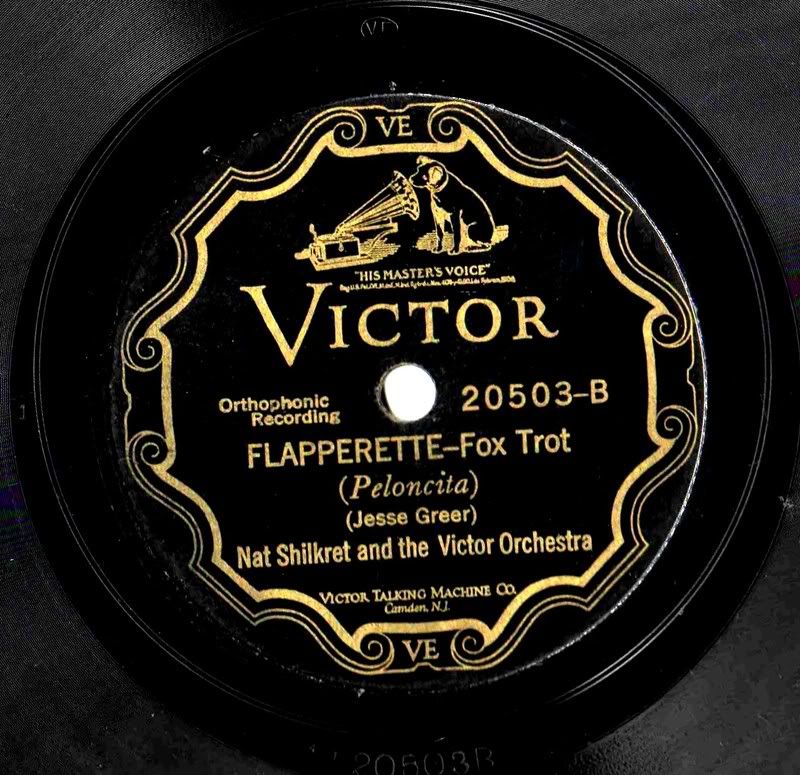
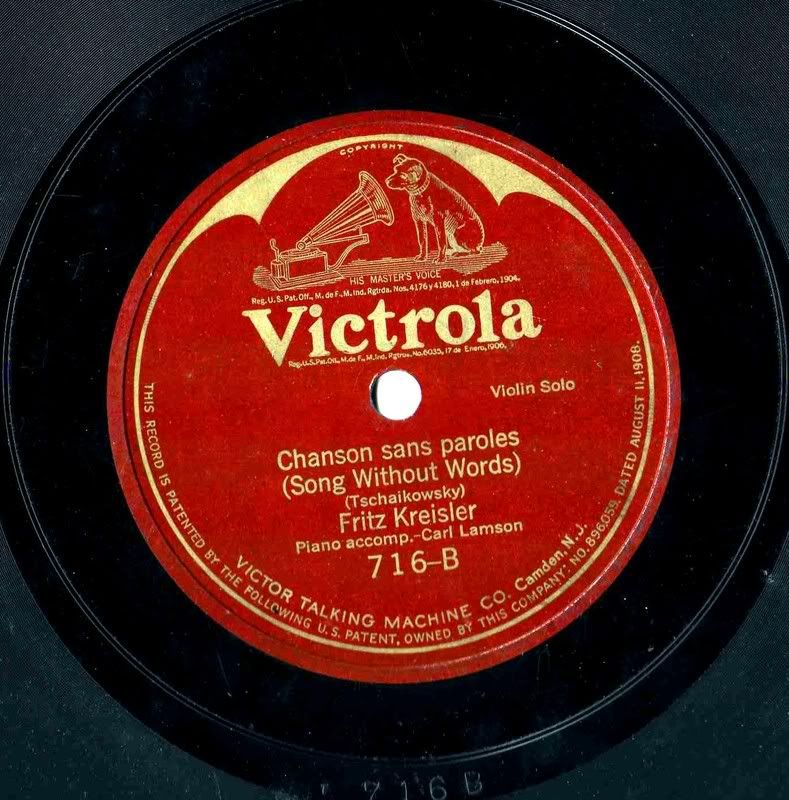
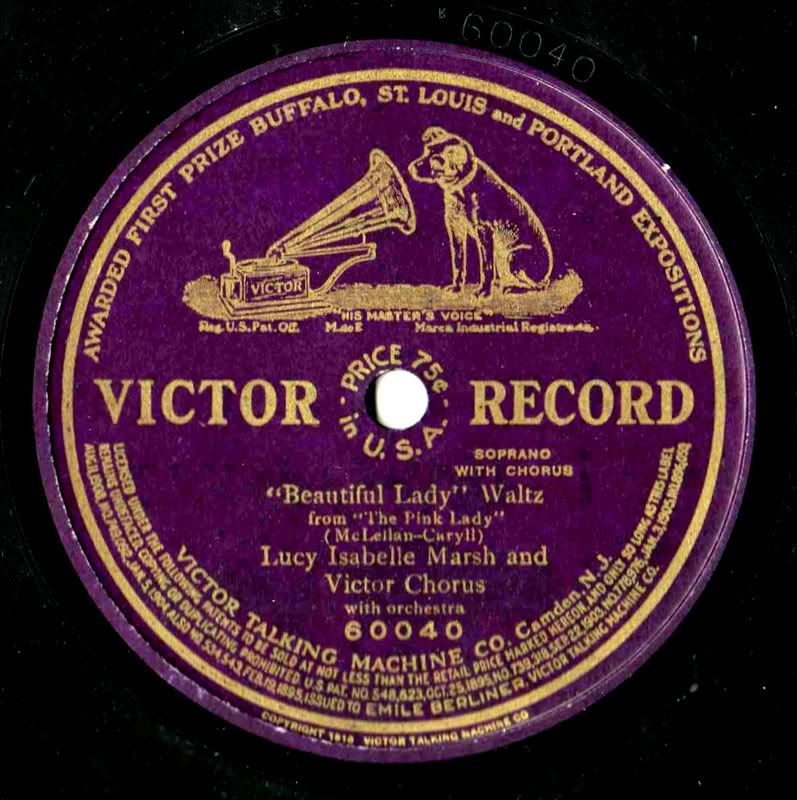
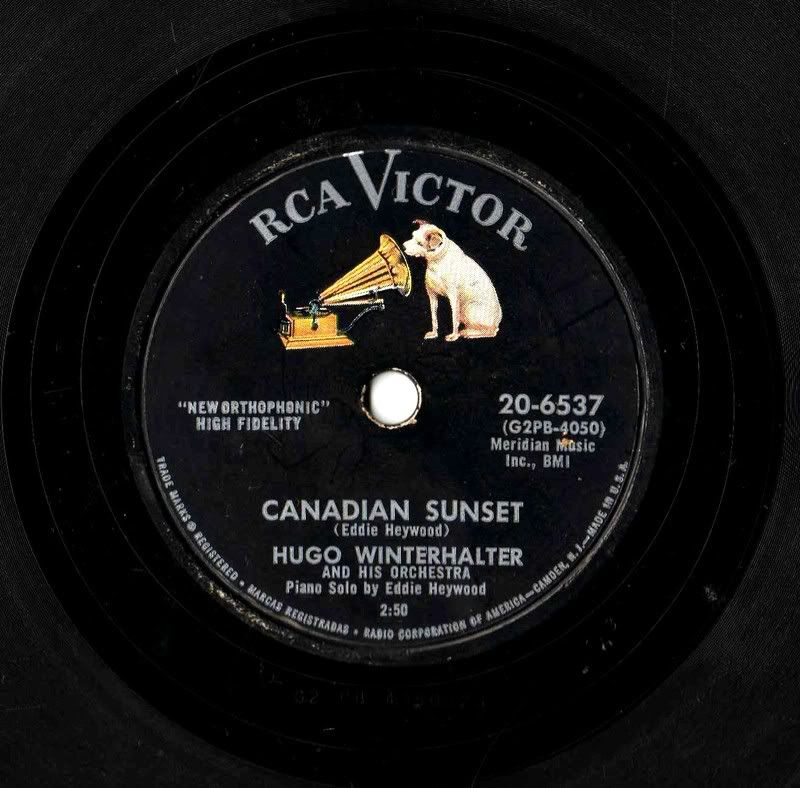
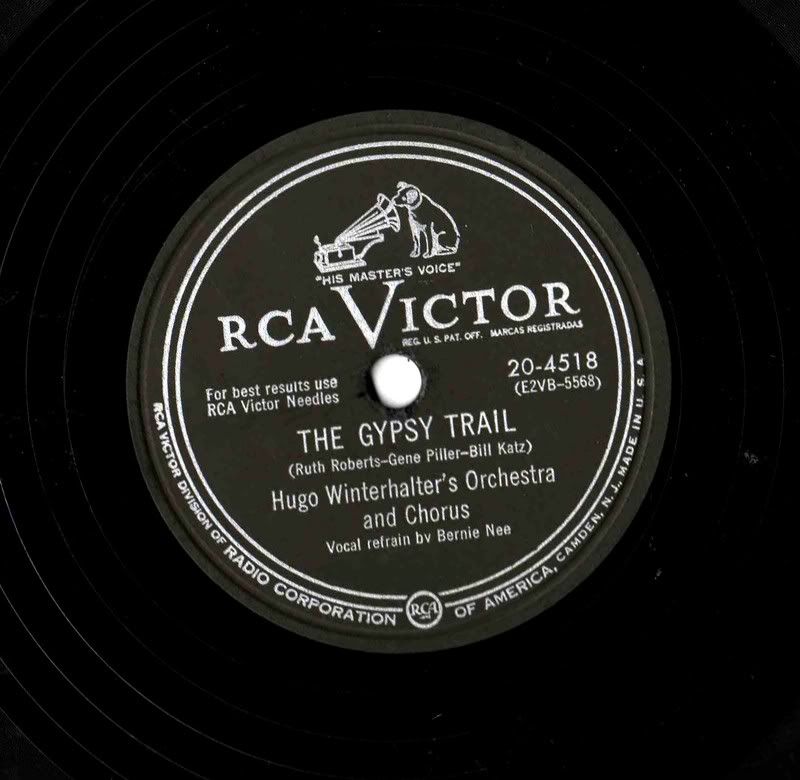
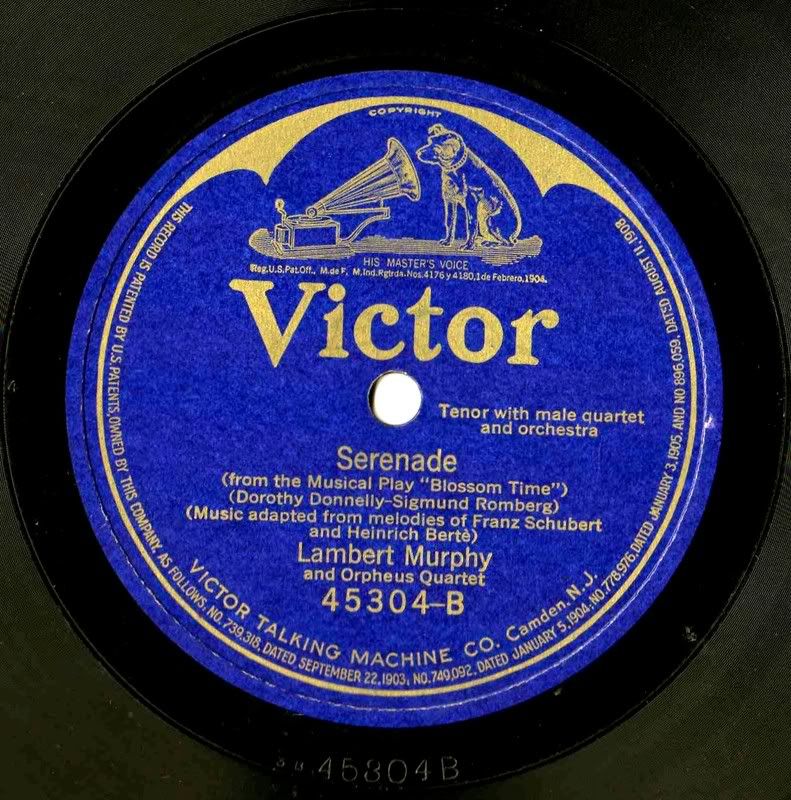
  The Victor 1-5 now works beautifully. I may completely disassemble it in the Springtime to more thoroughly clean and grease it all over again. But that it not an indoor project, and not a cold weather project. 'Till then I can just crank up my 78s and let it do what it was made to do.


 It reminds me of Motorola Model 50-XC-3, but this is obviously an RCA, and lacks the "polish" of that model. it's got that nice dark finish like the RCA T63, but dosen't look a damn thing like it otherwise.


 Posts
Posts


