
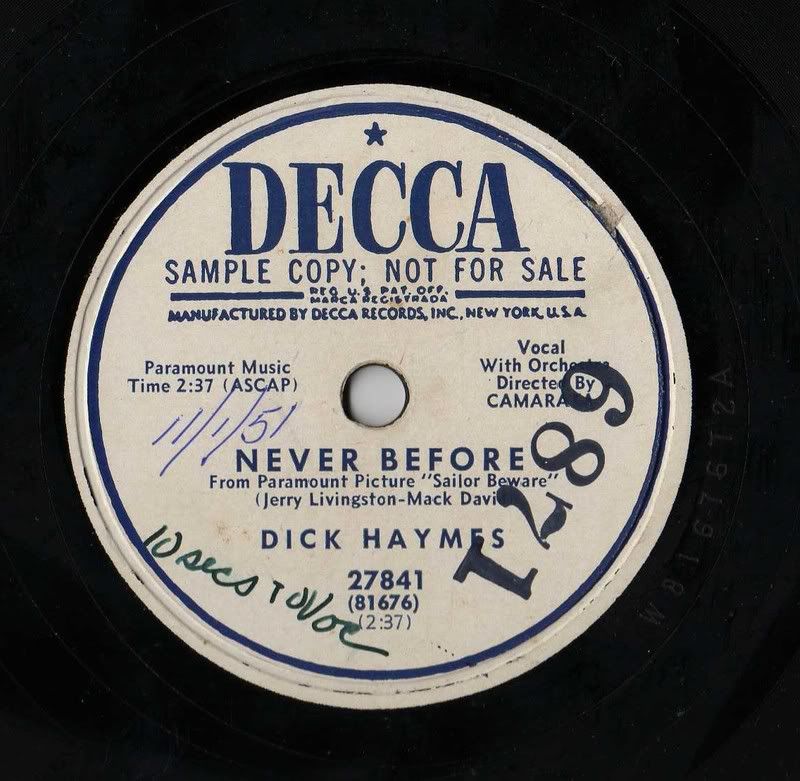
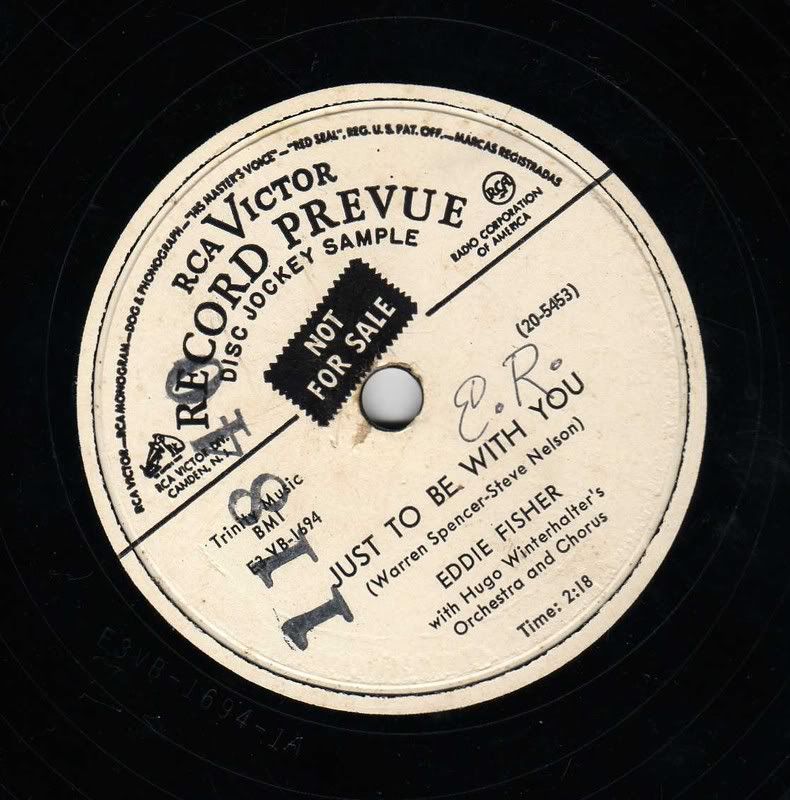
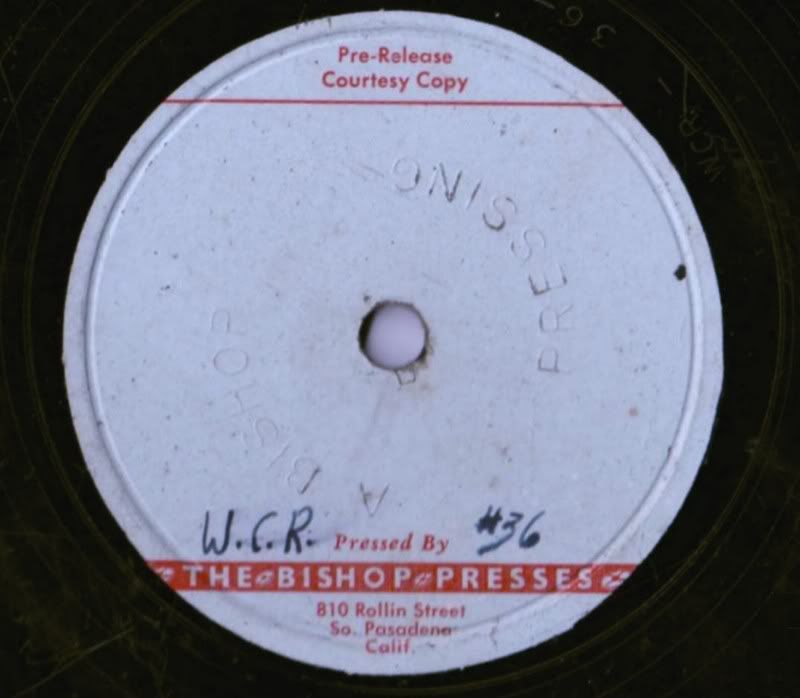
 Troy Augusto is our hero today. Universal music group sued him to stop his sale of promotional CDs. He is a simple earnest modern capitalist using eBay to resell promotional CDs he buys at used from other retailers. These are copies intended for promotional use, usually sent to radio or press. UMG called this copyright infringement, essentially reading the label they always put on the lid. they maintain these copies are not authorised for sale to the public. Strangely UMG is trying to apply the Digital Millennium Copyright Act to this when the previous century of law will do fine.
 The Electronic Frontier Foundation (EFF) came to Troys defense last fall. The EFF claimed that the "first sale"doctrine of 1908 covers Troys actions. (subsequently codified in the Copyright Act of 1976, .) The doctrine allows a purchaser to transfer a particular lawfully made copy of a work without consent of the copyright holder. It states very plainly that a copyright holder's rights to control the ownership of an item end once that copy is sold, as long as no additional copies are made.
UMG tried to claim this century old law did not apply. "The EFF has its facts and the law wrong. Mr. Augusto was selling promotional CDs that were the property of the record company, were licensed for personal use only, and were not permitted to be sold, as is clear from the plain language on the CDs." Note the clever use of cognitive dissonance. They forget that as soon as they transfer the CD they forfeit the right to determine future ownership.
U.S. District Court Judge S. James Otero ruled in their favor and with my own minority opinion. The promotional CDs are gifts by definition and the first rule applies. They are distributed by UMG, free and often unsolicited with no expectation of their return.
Universal plans to appeal the ruling. For the record, Troy is on his third tour in court over promos. He was previously sued by Capitol Records and Virgin Records for the same damn thing but without an army of lawyers he consented to a permanent injunction.



 Posts
Posts


